
Traction Alopecia
Hair loss caused by repeated tension from braids, weaves, or tight styles over time.
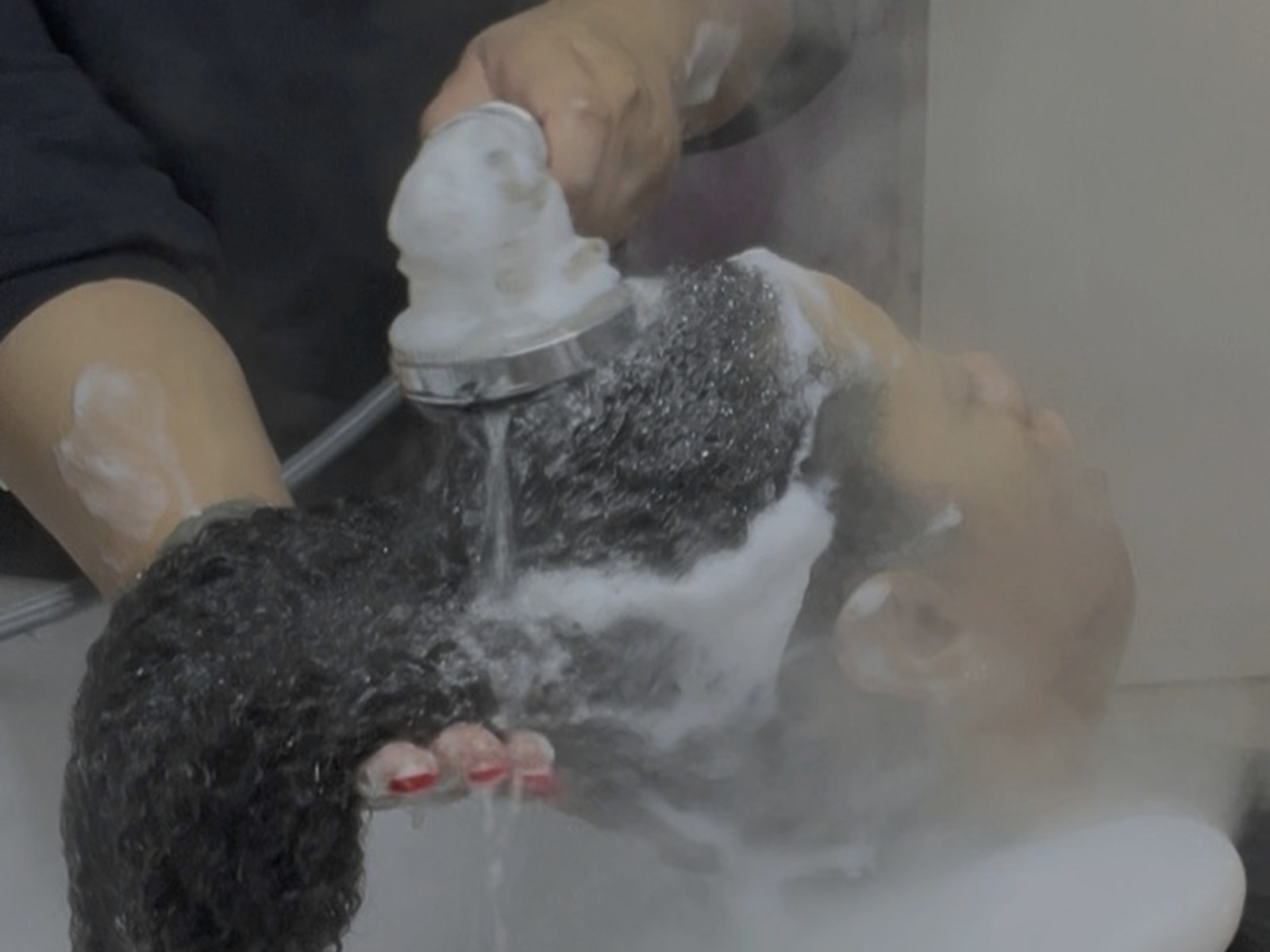
We assess the scalp clinically, reduce inflammation, and protect follicle viability before any cosmetic decisions are made.
Care begins at the scalp, not the style.
A structured evaluation, not a sales call.
What We Treat
Our scope of work is defined by the underlying cause of hair loss, not the look it produces.
Hair loss caused by repeated tension from braids, weaves, or tight styles over time.
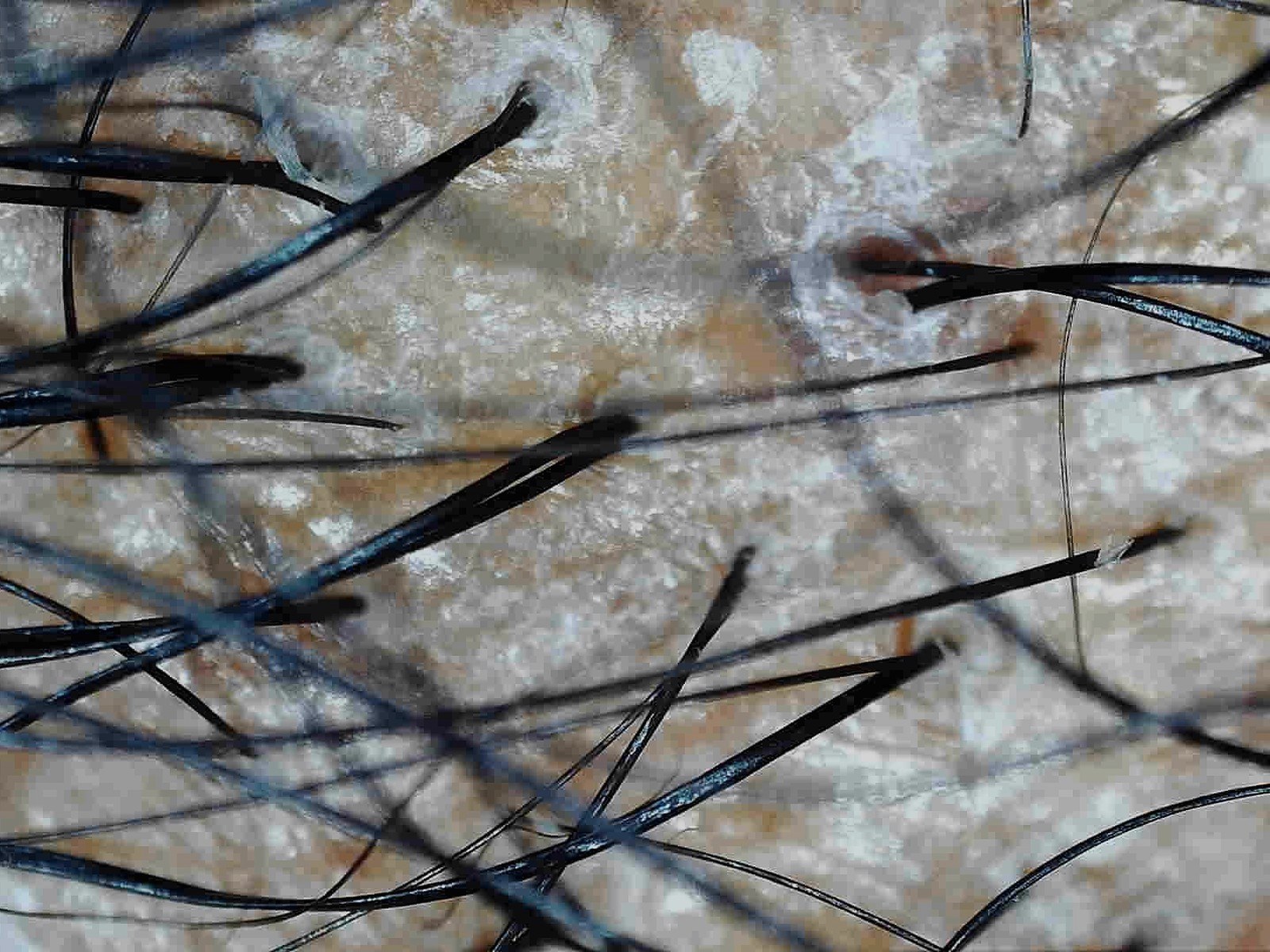
Persistent irritation, itching, or flaking that disrupts follicle function.
Gradual loss of volume, fullness, and overall hair density.
Damage caused by improper installation, buildup, or lack of scalp care.
Client Experience
Every client moves through the same considered sequence, designed for clarity at each step.
Step 01
Submit a brief intake so we can prepare for your visit.
Step 02
Detailed scalp and hair analysis to identify the underlying cause.
Step 03
Inflammation is reduced and the scalp environment is restored.
Step 04
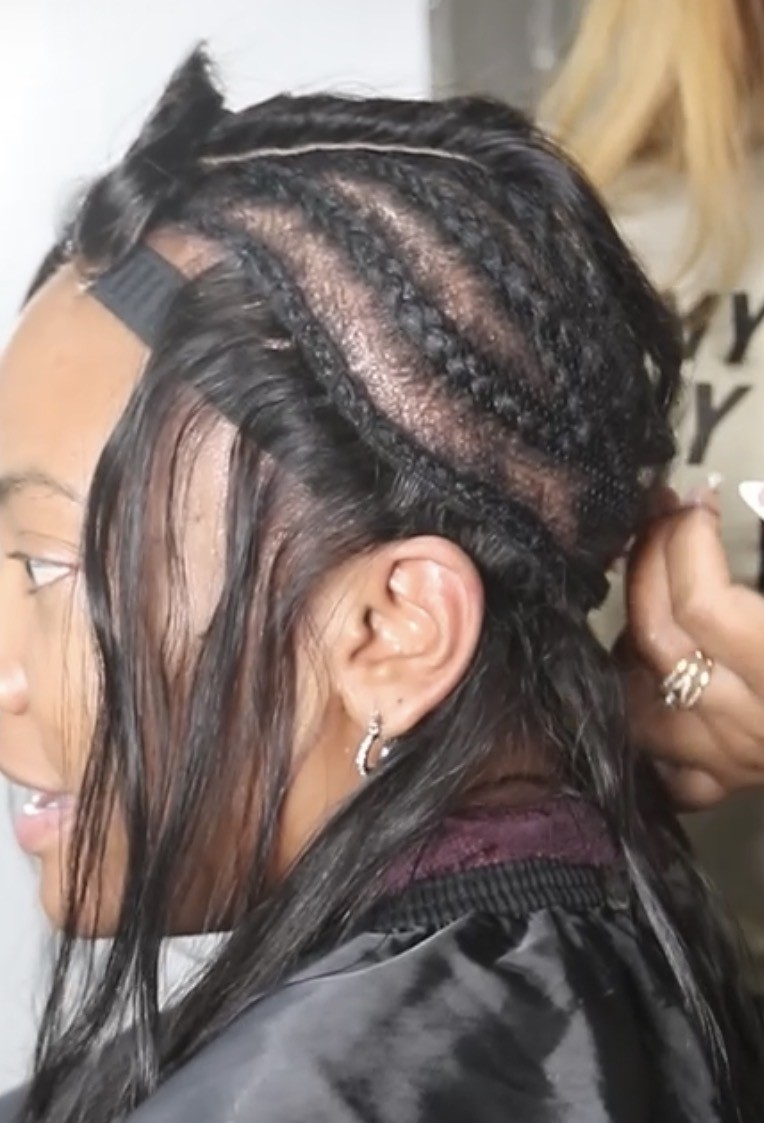
Low-tension methods designed to safeguard the scalp and follicles.
Step 05
Documented follow-up to track stability and progress over time.
Hair loss is not defined by how it looks, but by what is happening beneath the surface.
Our Approach
We do not guess. Every visit begins with a detailed scalp and hair analysis to understand the underlying cause before any treatment or styling is performed.
Detailed scalp and hair analysis to identify the underlying cause before any treatment is recommended.
Inflammation is reduced and the scalp environment is restored before restorative work begins.
Low-tension integration paired with structured follow-up to track progress over time.
Clinical Standard
Our work is guided by structured assessment, documented observation, and controlled integration methods designed to protect the scalp while supporting long-term hair stability.
We do not rely on guesswork or temporary fixes. Every recommendation is based on what your scalp can support.
This level of structure allows care to be intentional, not assumed.
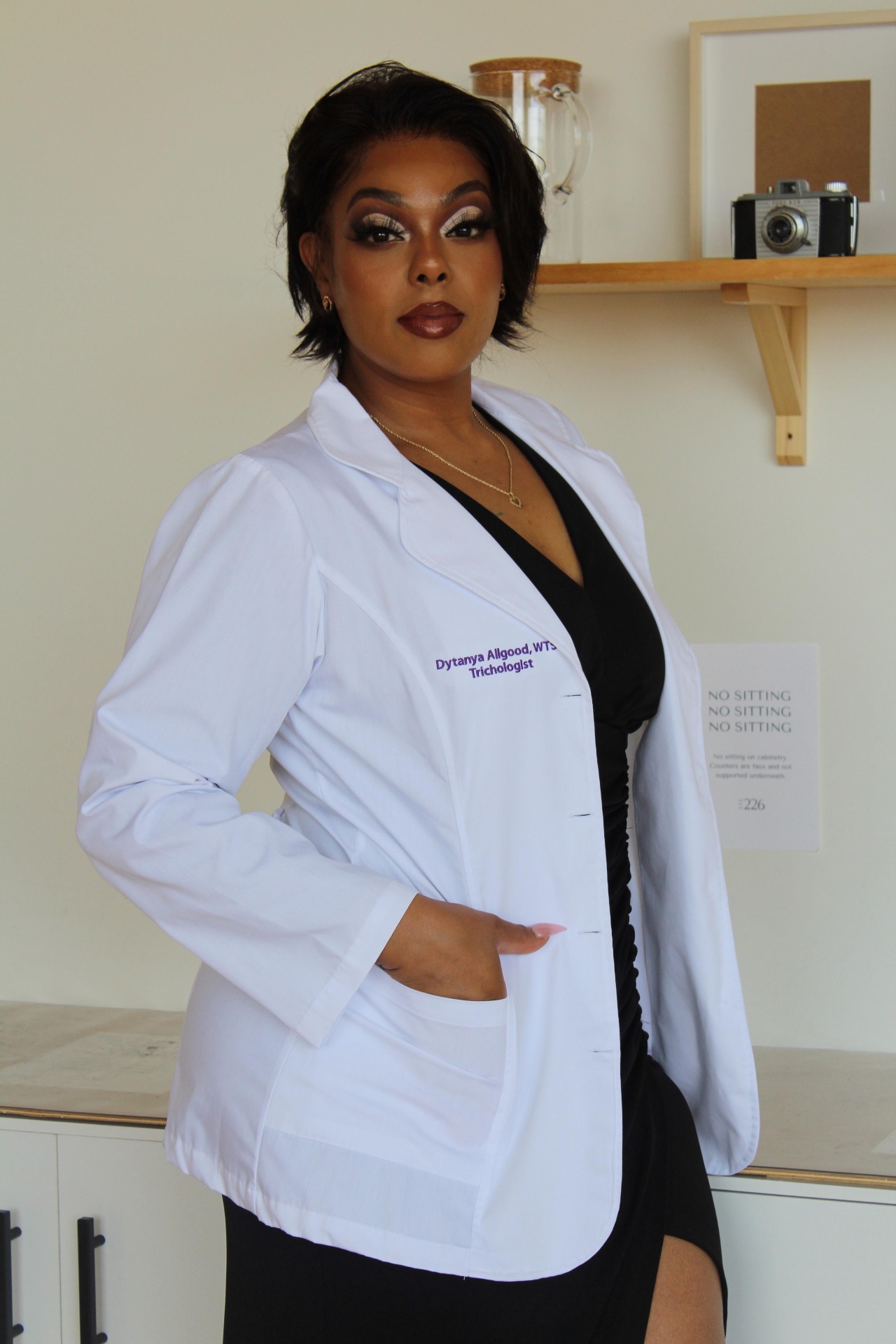
Founder & Lead Clinician
Dy built this clinic around a single conviction: hair loss in Black women deserves clinical investigation, not cosmetic compromise. Her work focuses on inflammatory and traction-driven hair loss, with treatment plans built from scalp analysis upward.
Before & After
Documented observations from structured scalp and hair care. We focus on subtle, meaningful change rather than dramatic transformation.
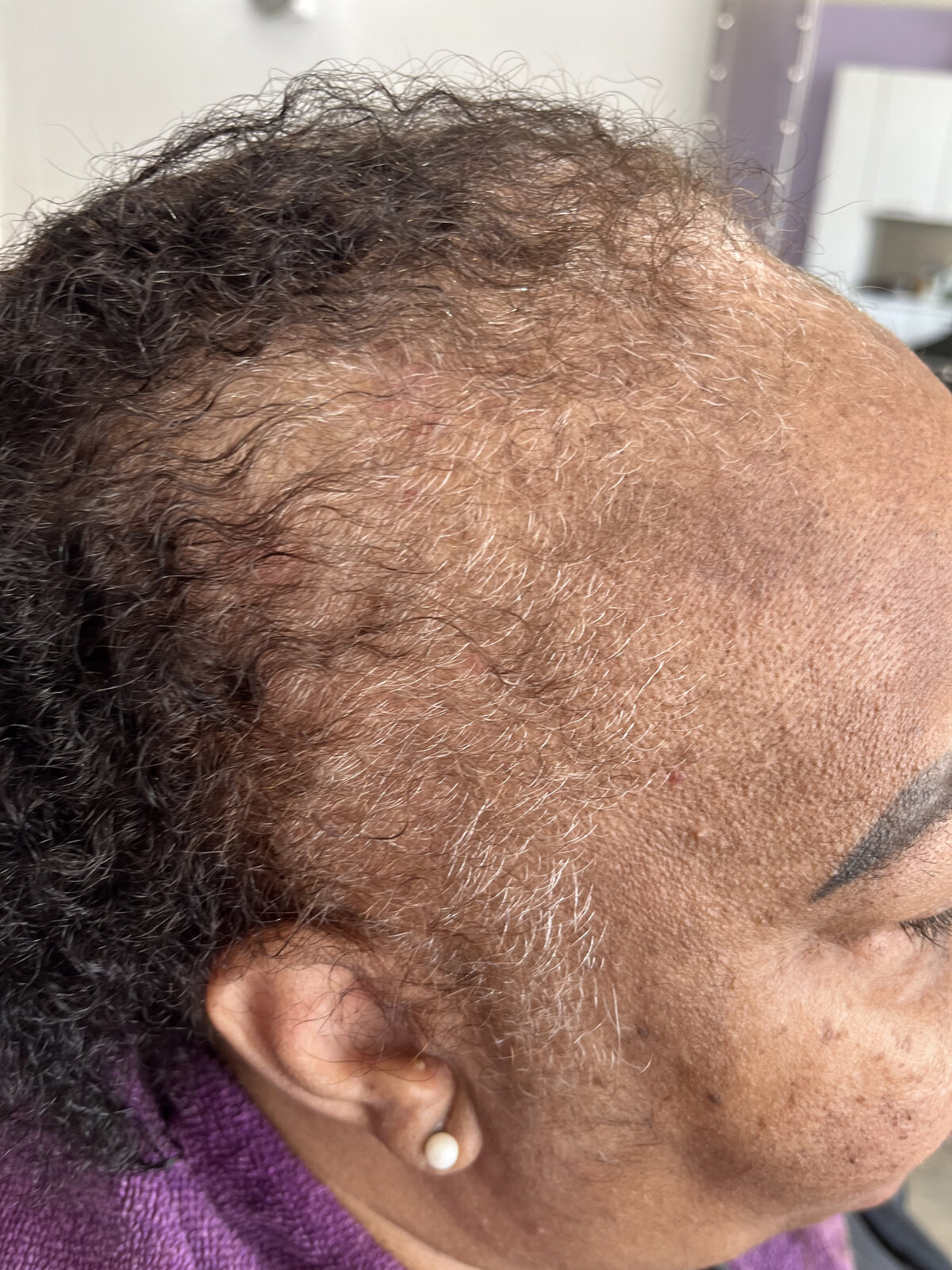
Before
Pre-service documentation
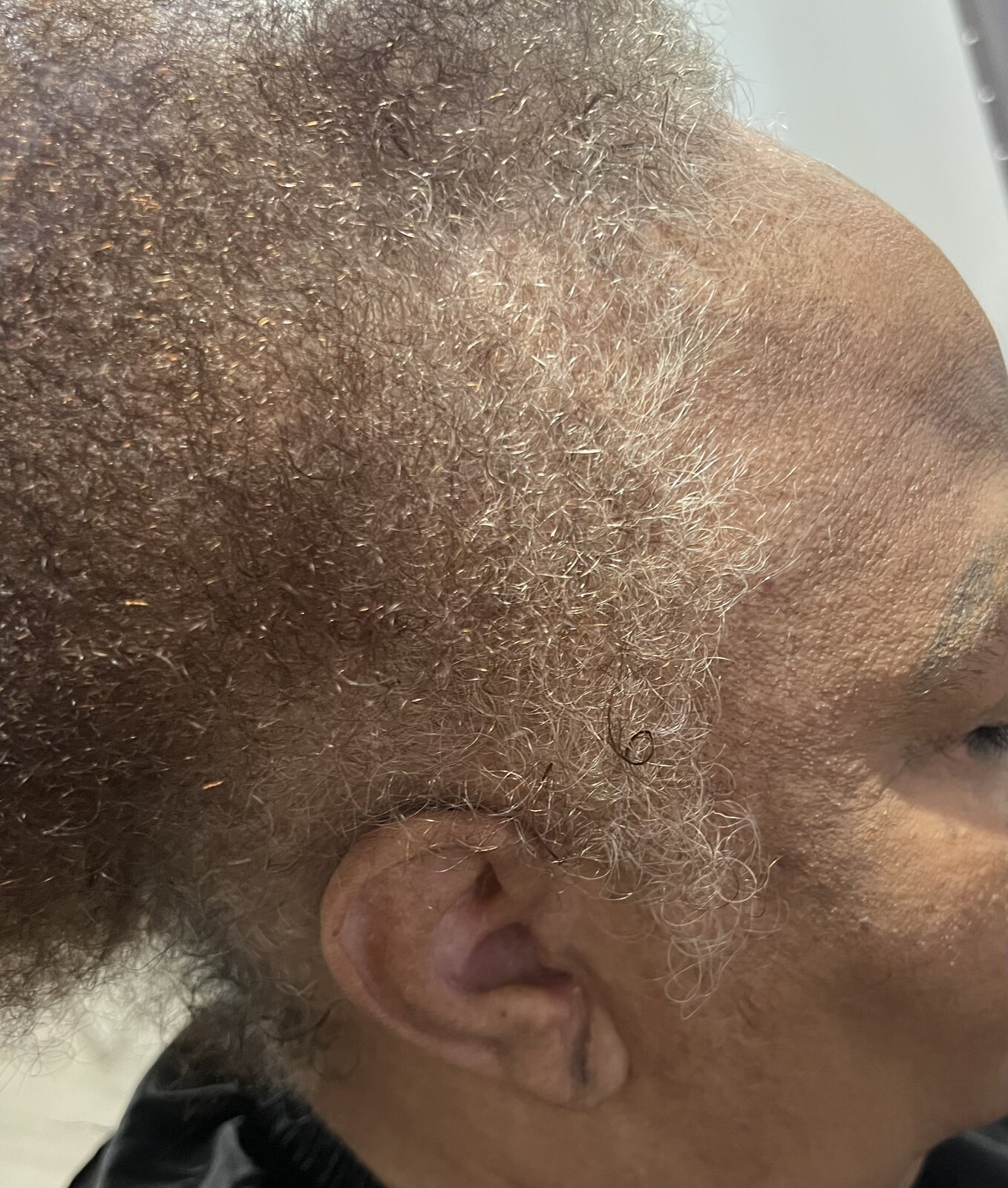
After
Post-service documentation
This case reflects changes following structured care, including scalp preparation, low-tension integration, and ongoing monitoring.
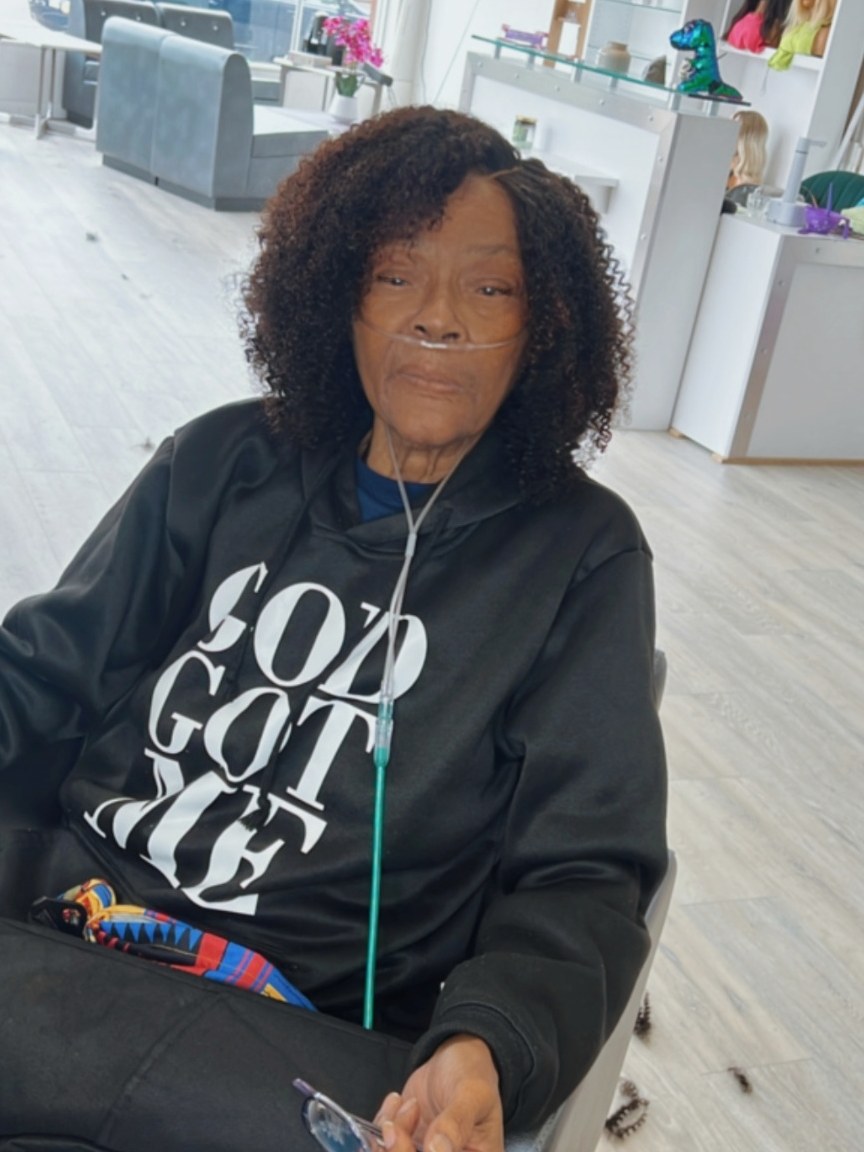
We provide custom cranial prosthesis for veterans experiencing medical-related hair loss. Each unit is designed, fitted, and maintained with a structured clinical approach to ensure comfort, security, and long-term wearability.
All clinical decisions inside our practice are guided by a structured framework focused on scalp stability, follicle preservation, and long-term outcomes.
This approach ensures that no treatment or styling is performed without first understanding what the scalp can safely support.
Understanding your scalp and hair condition is part of long-term care. The articles below explain what we look for and why.
My scalp finally feels clean and open. I didn't realize how irritated it had been for years.
Client, ongoing scalp care
Six months in
The itching is gone. That alone changed how I sleep at night.
Client, post-evaluation
After Helix assessment
Way less dandruff than before, and the flaking actually stayed away.
Client, scalp recovery program
Three months in
My scalp isn't tender anymore. I can touch the crown without flinching.
Client, traction recovery
Following protocol
The install doesn't hurt. That was the first time I'd experienced that.
Client, low-tension integration
First clinical install
This is my happy place. I leave feeling cared for, not sold to.
Long-term client
Year two
Every transformation begins with understanding the root cause.