
Clinical Documentation
Clinical Observations & Documented Feedback.
Our work documents visible scalp and hair conditions, cosmetic appearance, and reported comfort. These images and individual reflections are not evidence of diagnosis, medical treatment, follicle recovery, or hair regrowth.
Section 1 · Clinical Observations
Trichoscopy and scalp imaging
Magnified scalp documentation records visible openings, residue, color, and scaling across visits. Possible inflammatory or scarring conditions need a licensed healthcare clinician.
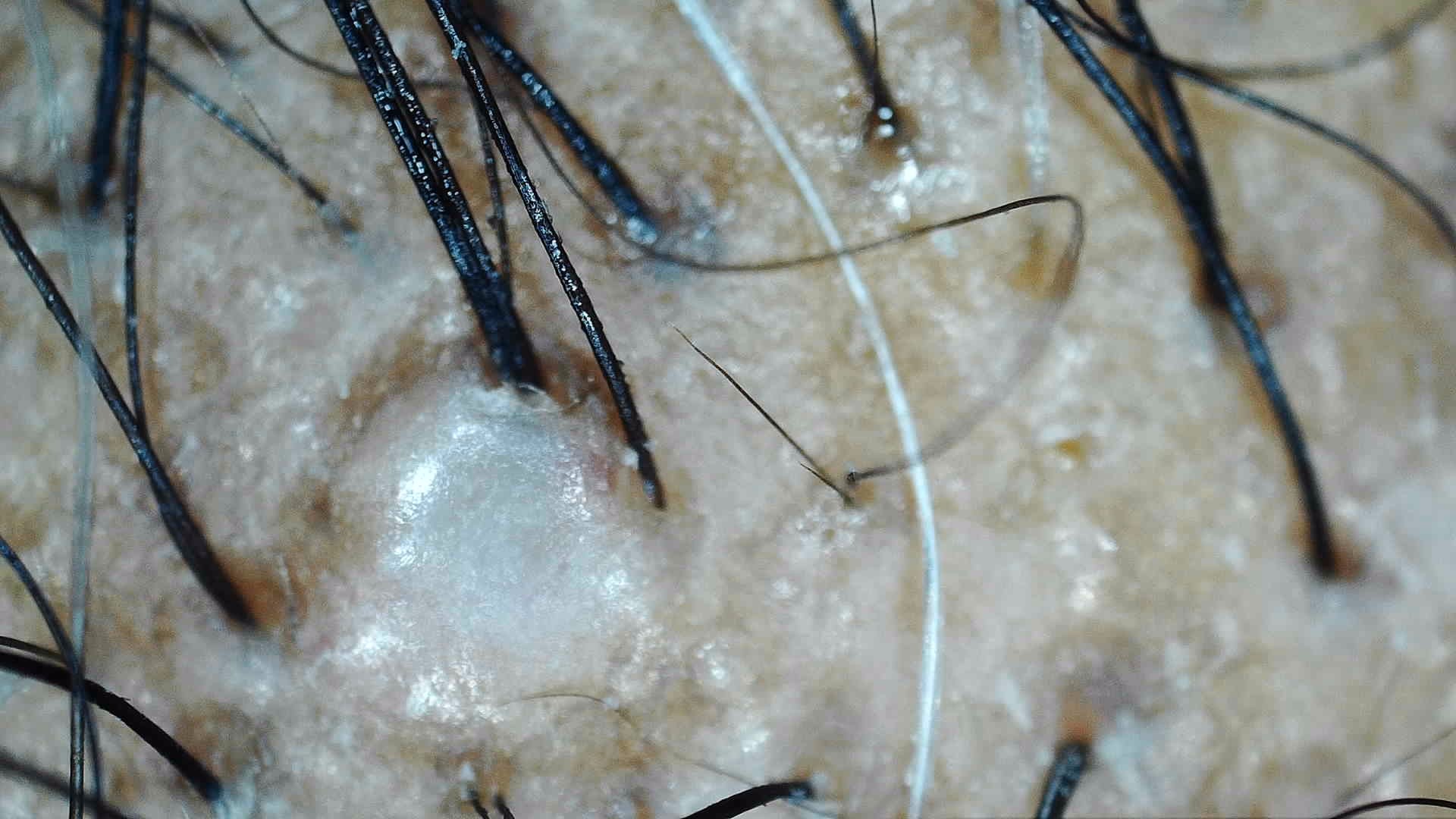
Visible surface residue
Magnified view of visible residue around scalp openings; not a medical diagnosis.
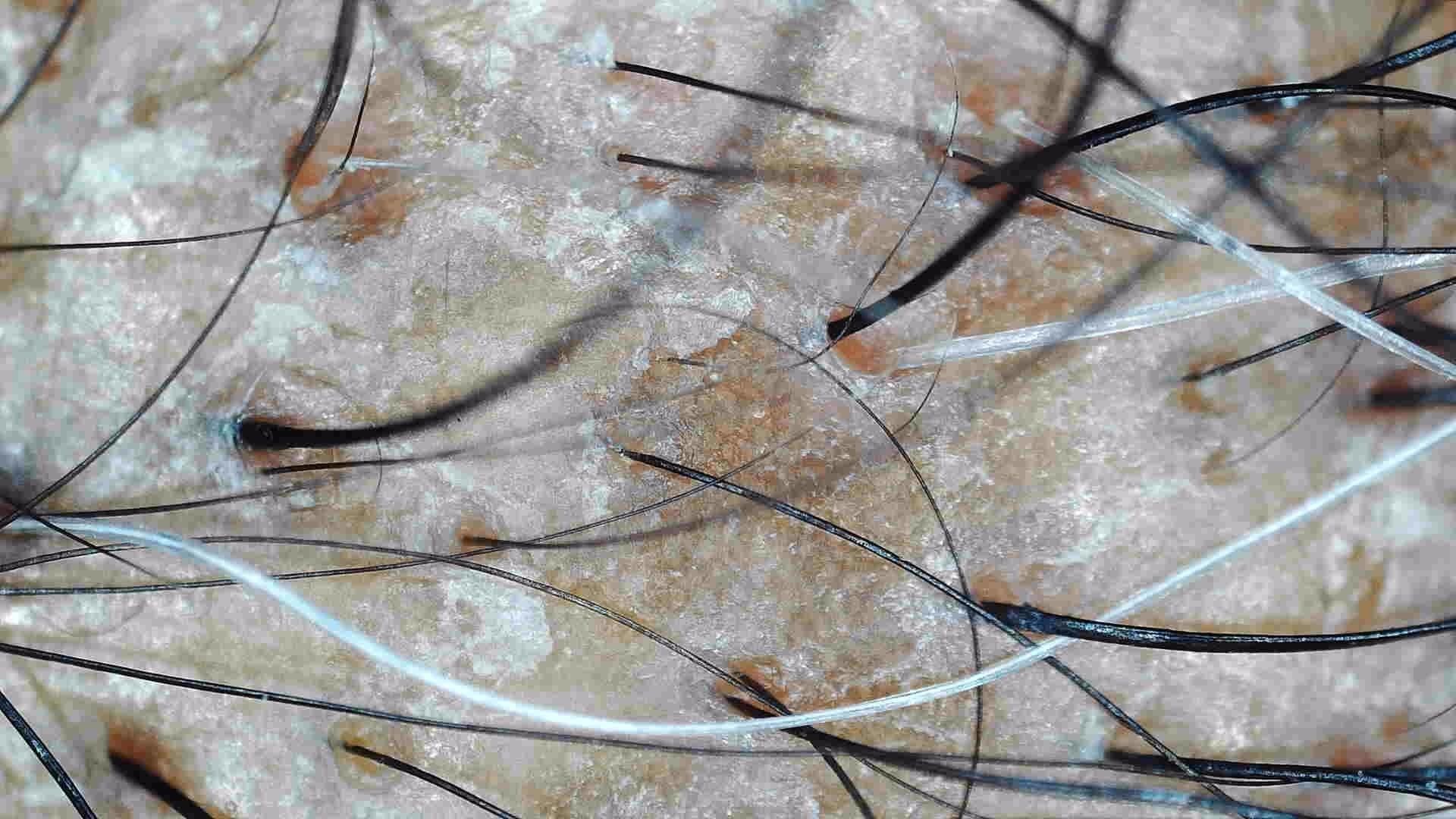
Visible scalp tone and scaling
Visible color and scaling in a scalp image cannot confirm inflammation or its reduction.
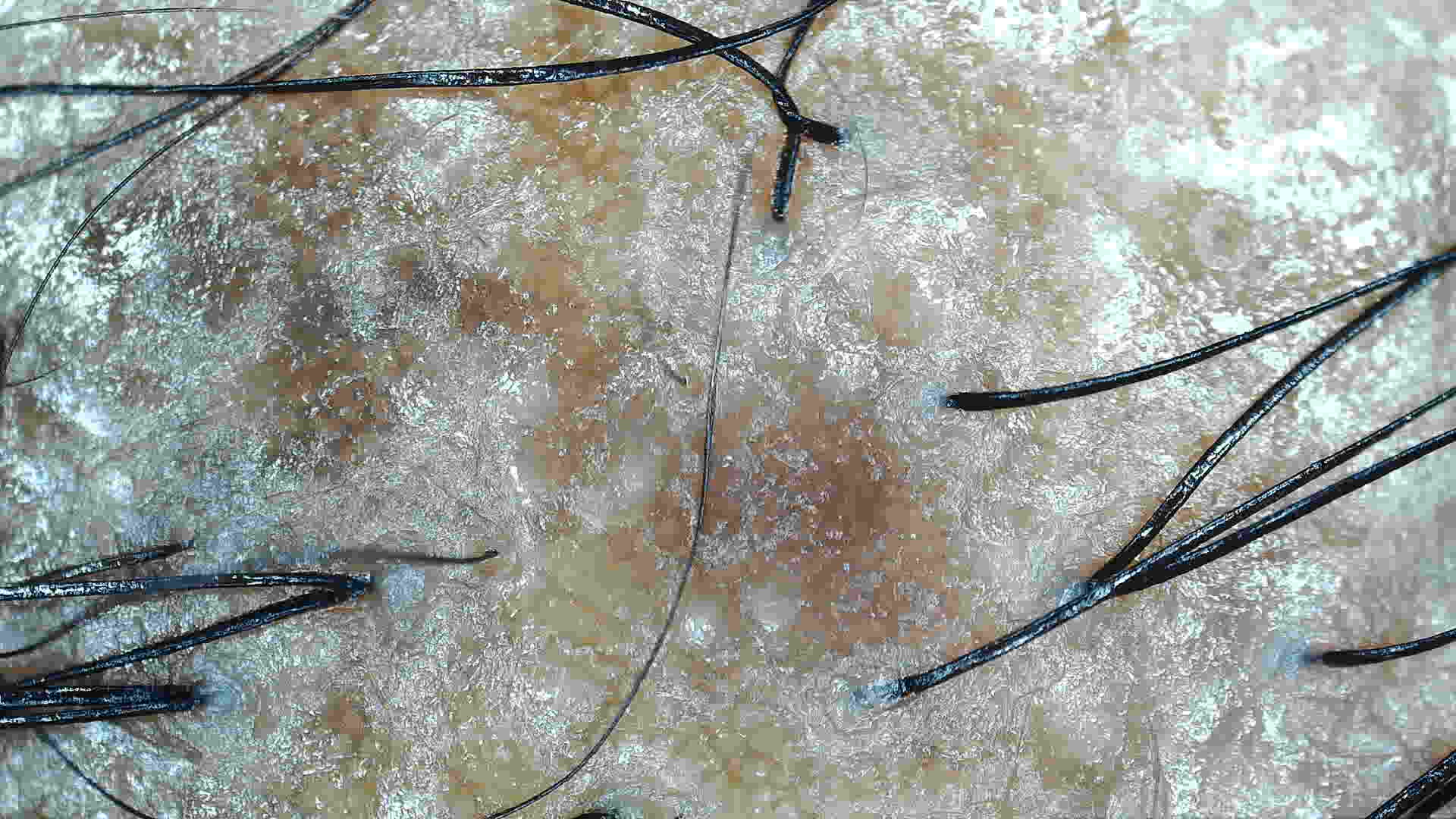
Visible follicular openings
Visible scalp openings at follow-up; images cannot determine follicle viability.
Trichologists are not medical doctors. Observations described here are non-diagnostic. Any findings that may warrant a clinical diagnosis are referred to a dermatologist or qualified physician.
Section 2 · Documented Progression
Same client, monitored over time
One client case documents appearance around cosmetic services. Hair positioning, styling, lighting, and camera angle can affect how the same area appears.
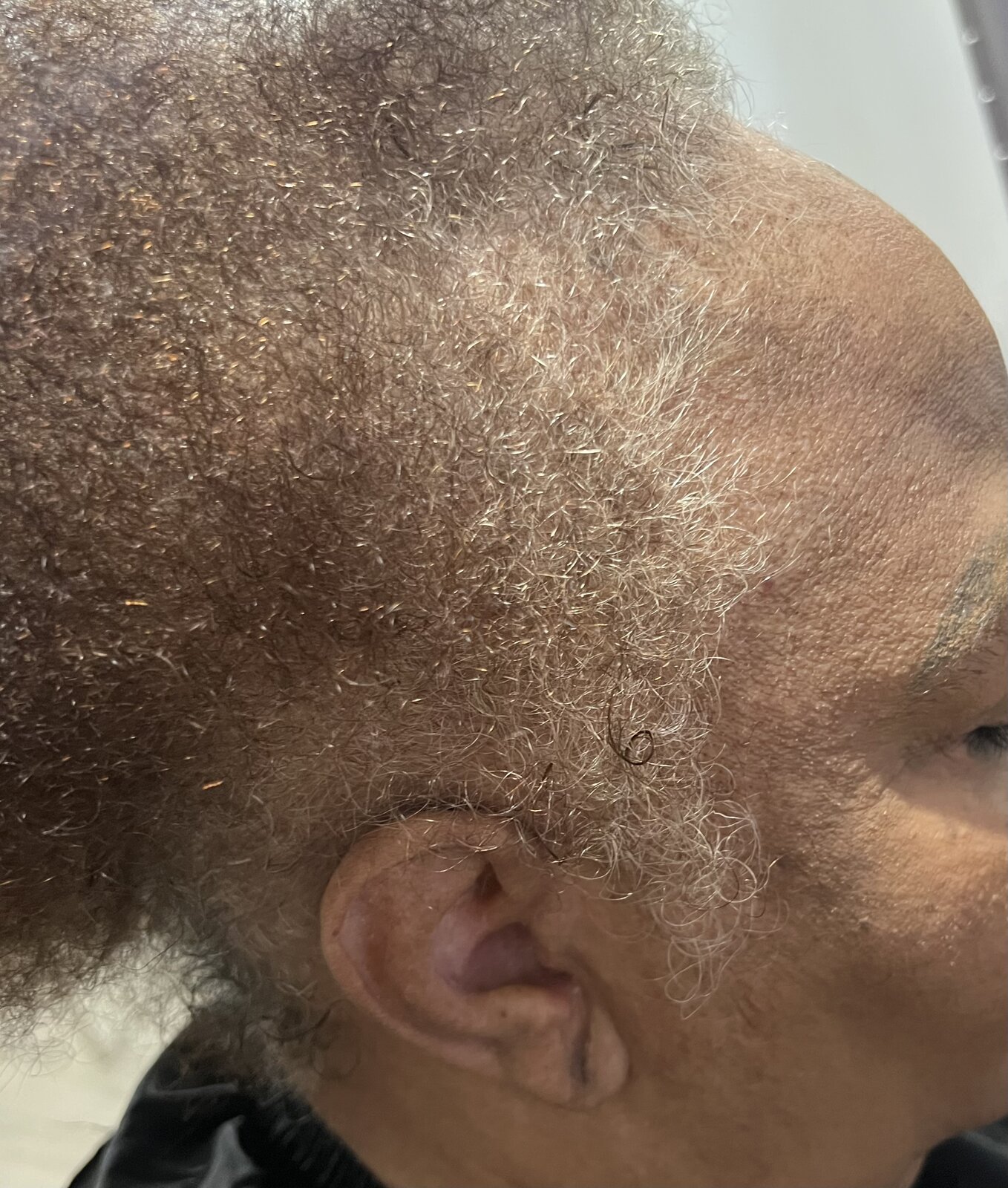
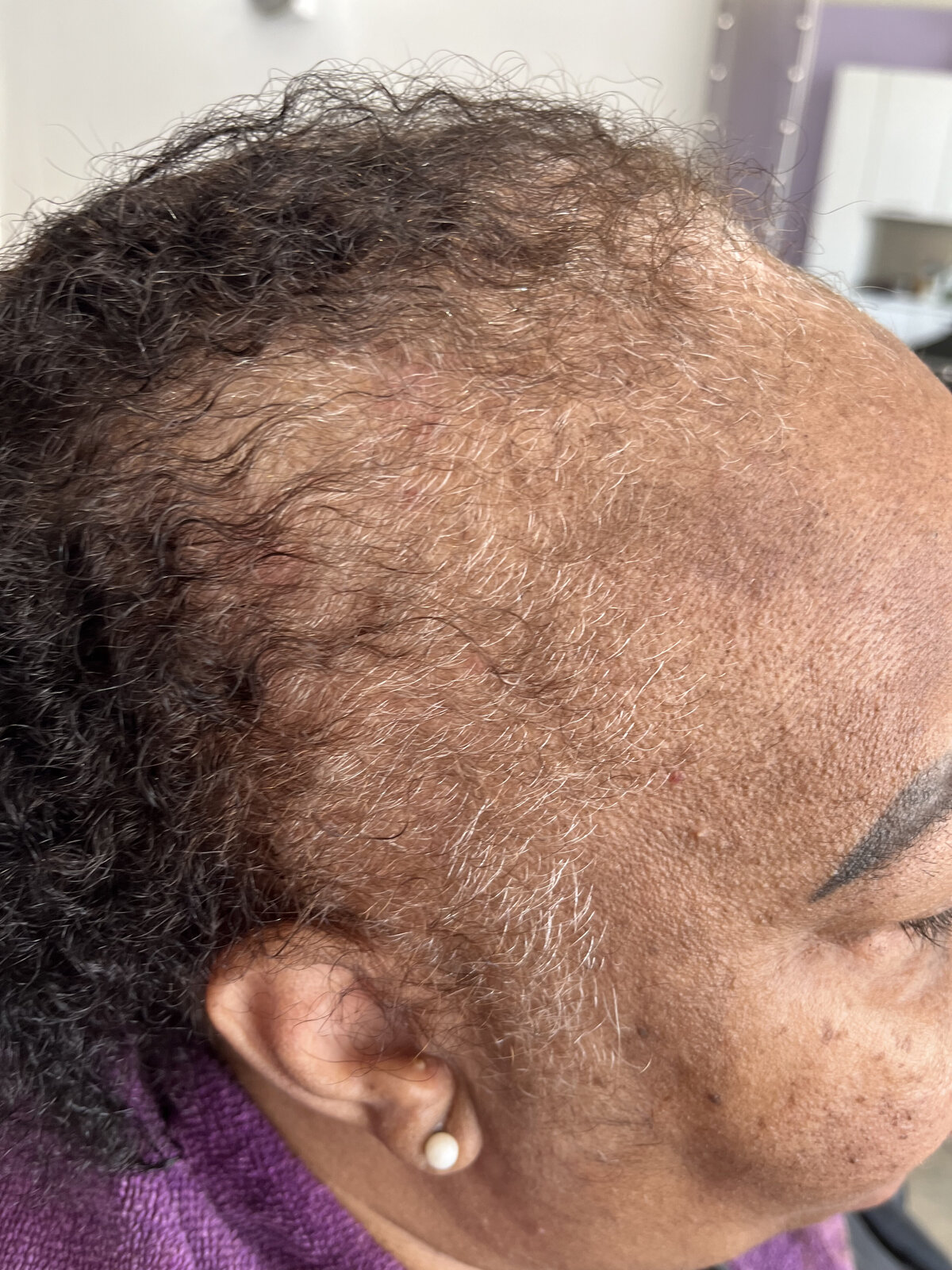
Drag the divider to compare
How to read this
Compare the visible appearance of the same area around cosmetic services. Differences in hair placement, styling, lighting, and angle can affect apparent coverage.
These images do not measure hair density, establish follicle recovery, or demonstrate treatment of a medical condition. Individual experiences vary.
Section 3 · Protective Integration
From preparation to finished integration
A process-led sequence: low-tension preparation of the natural hair, followed by structured integration that keeps the scalp accessible between visits.
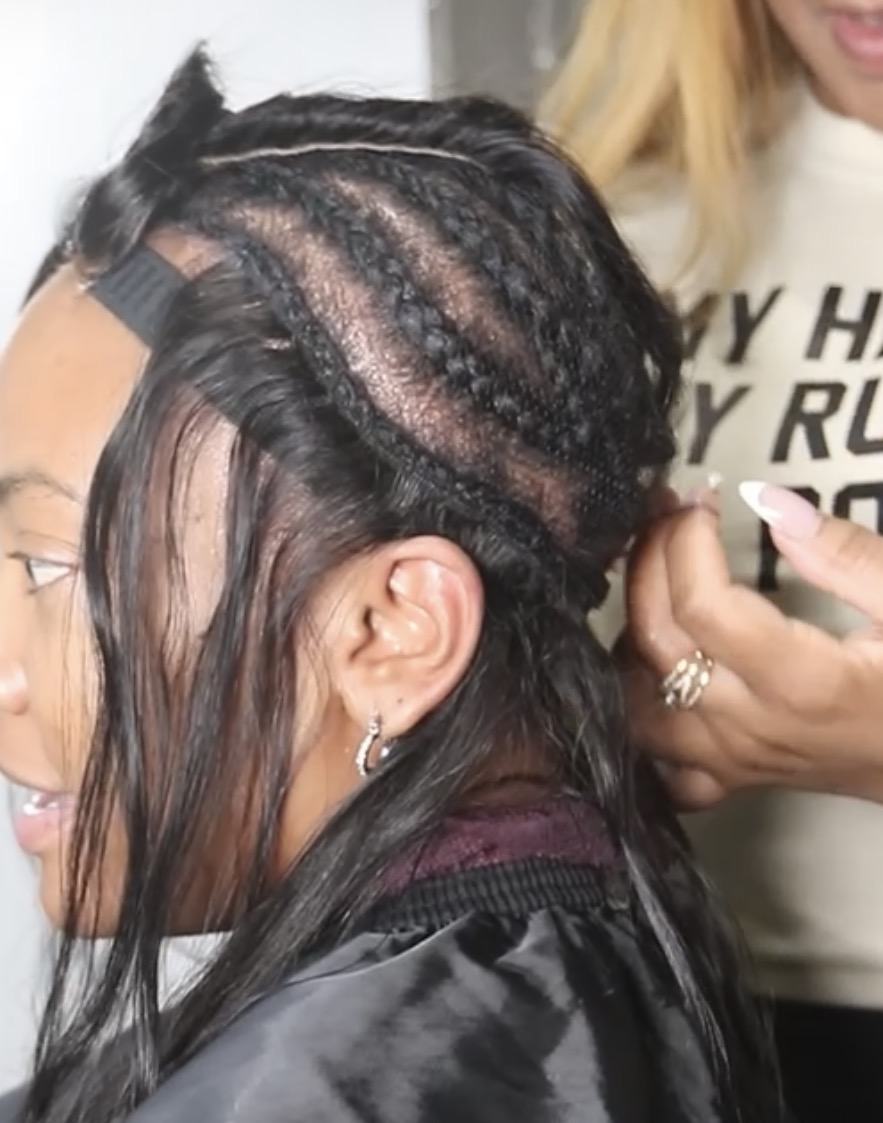
Preparation
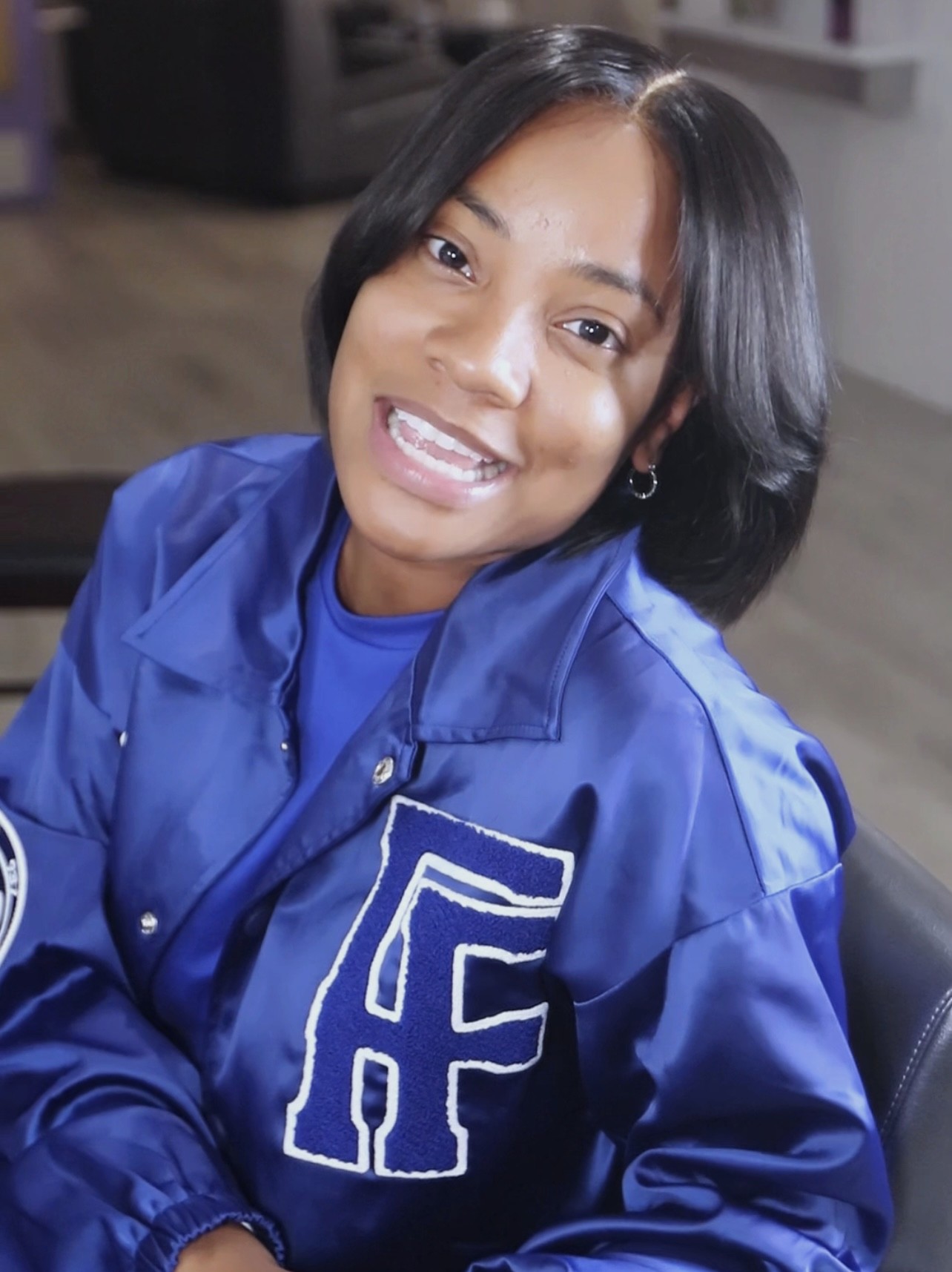
Finished Integration
Low-tension preparation and structured integration designed to maintain scalp accessibility while supporting a clean, natural finish.
Client Feedback Following Structured Care
Reflections gathered after care
At the conclusion of initial care and observation periods, clients are asked to reflect on their experience. The following responses are drawn from those reflections. Names are withheld to protect privacy. Reports of symptom changes are individual experiences, not proof that cosmetic care treats inflammation or a medical condition. Persistent symptoms need medical review.
“My scalp feels clean, like it can actually breathe again. The itching went away, and it's not that burning, constant irritation anymore.”
“There's way less dandruff than before. I'm not dealing with flakes the way I used to, and my scalp doesn't feel irritated all the time.”
“My scalp isn't as tender anymore. I didn't realize how sensitive it had become until it finally calmed down.”
“I like that the install doesn't hurt. That alone makes a huge difference for me.”
“I've always had to put my scalp on the back burner because every style came with some kind of damage. This is the first time something actually felt intentional and different.”
“This approach is nothing like anything I've had before. It actually feels like my scalp is being taken into consideration.”
“This is my happy place.”
Imagery shows visible observations and cosmetic appearance; feedback describes individual experiences. Neither establishes a medical cause or treatment effect. No follicle preservation, hair regrowth, or specific outcome is guaranteed.