Protective Styling: When It Helps vs When It Harms
Understanding the difference between protective styling that supports the scalp and methods that contribute to long-term damage.
Introduction
Protective styling is widely recommended as a way to reduce daily manipulation and support hair retention. When applied appropriately, it can play a meaningful role in preserving fragile strands and giving the scalp a period of relative rest.
However, the same category of styling that can support hair health is also one of the most consistent contributors to long-term damage when applied without consideration for the underlying scalp environment.
When Protective Styling Supports the Scalp
Protective styling can be beneficial when it genuinely reduces stress on the hair and scalp. This typically means low tension, appropriate weight, and a duration that allows the scalp to remain accessible and observable throughout wear.
When these conditions are met, protective styling can limit unnecessary manipulation, reduce friction, and provide a more controlled environment for fragile hair. The emphasis is on protection, not concealment, and the scalp continues to receive the attention it requires.
When Protective Styling Becomes Harmful
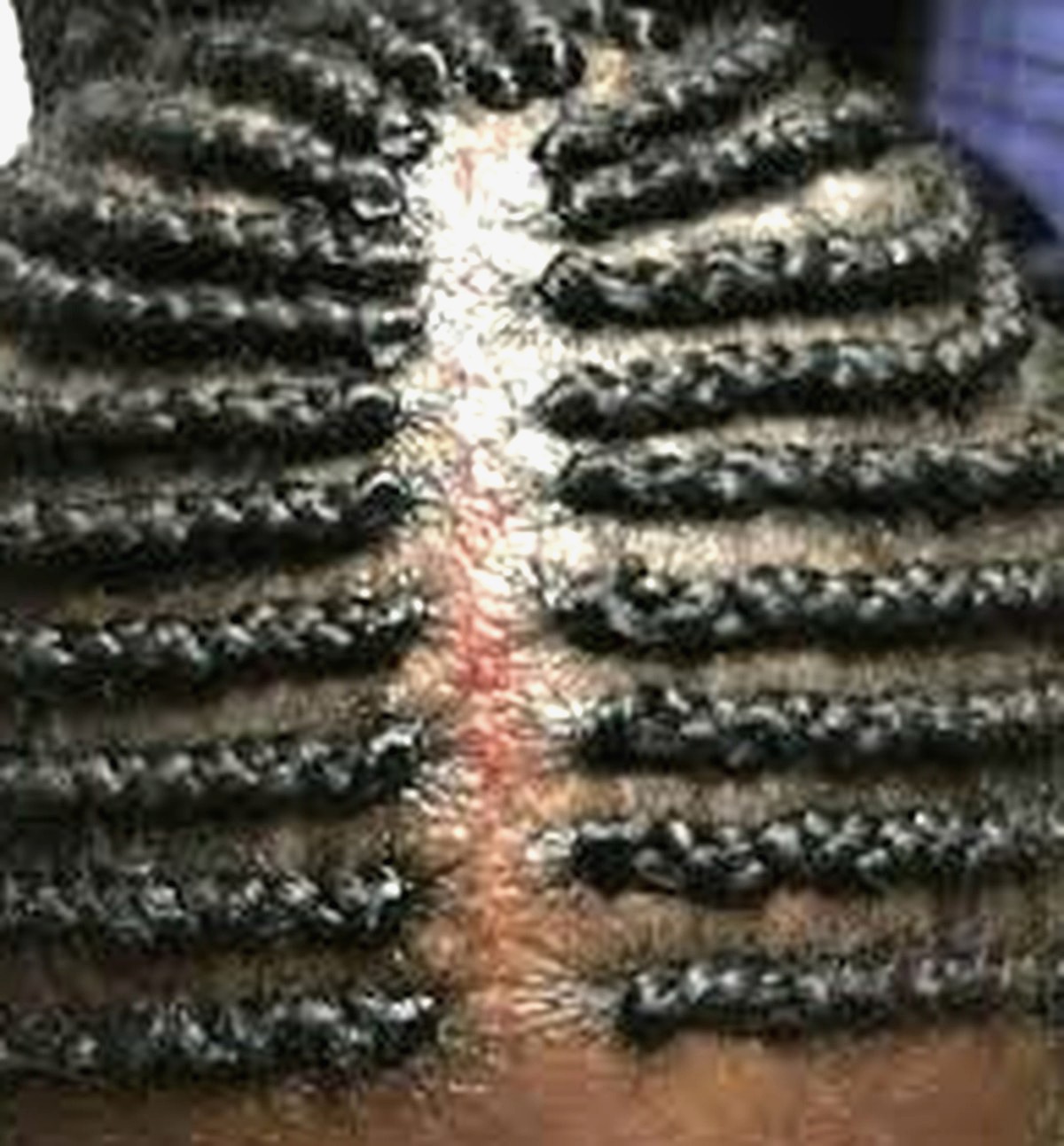
Protective styling becomes problematic when tension, weight, or duration exceed what the scalp can safely support. Tightness at the hairline, heaviness across compromised areas, and extended wear without recovery intervals are common patterns we see contributing to traction-related changes.
These outcomes often develop gradually. Soreness, small bumps along the perimeter, or new thinning may appear before there is any obvious visual concern. By the time the damage is clearly visible, the underlying follicles have typically been under strain for some time.
Tension, Weight, and Time
Three factors most consistently determine whether a protective style supports or harms the scalp: how much tension is placed on the follicles, how much weight the scalp is asked to carry, and how long the style remains in place without rest.
Each of these factors must be matched to the current condition of the scalp and hair, not to a general standard. What is appropriate for one person may be excessive for another, particularly if there is existing inflammation, prior traction, or compromised follicle health.
Recognizing Early Warning Signs
Discomfort, tenderness, perimeter thinning, or visible irritation during or after a styling cycle should not be dismissed. These are clinical signals indicating that the current approach is exceeding what the scalp can tolerate.
Continuing the same styling pattern in the presence of these signs typically reinforces the damage. The appropriate response is evaluation, not adjustment of the same approach that produced the symptoms.
In Closing
Protective styling is not inherently harmful, nor is it inherently restorative. Its impact depends entirely on how it is applied and whether it is matched to the current state of the scalp.
Understanding this distinction is essential. Without it, styling intended to protect can quietly become one of the most consistent contributors to long-term hair loss.
If you are experiencing ongoing hair or scalp concerns, the next step is a structured evaluation to determine the underlying cause.
Apply for Evaluation